News
LNG’s next step: Could wind power the future of carrier efficiency?

Daniel Mann
Published
15 September 2026
Sometimes the answers to the hardest questions are right in front of you. Or, in the case of wind power, all around you. Daniel Mann, Chief Commercial Officer at bound4blue, outlines how shipping’s ‘original clean energy’ offers huge potential for the LNG carrier segment, while discussing how a fresh study can help owners navigate challenges and seize opportunity.
For much of the past decade, the conversation around LNG carrier decarbonisation has centred on fuels, engines and increasingly sophisticated onboard technologies. As important as those innovations are, they are yet to drive the segment forward with the momentum required to achieve our most ambitious industry goals.
So, as regulatory pressure intensifies and operational efficiency becomes an ever more valuable commercial differentiator, is it worth considering a new solution? Is there an alternative, abundant energy source freely available, right now, to every vessel? One that’s ideally suited to LNG, is technologically simple, mature, easy to adopt, safe, and delivers compelling commercial and environmental gains?
The answer to all those questions is a very definite ‘yes’.
Wind is the way
Modern wind propulsion has evolved far beyond traditional sails. Today’s systems are highly automated, commercially proven technologies that generate clean forward thrust, reducing main engine load, lowering fuel consumption and cutting emissions without impinging upon normal vessel operations. Among the menu of solutions available, suction sails are an increasingly popular choice.
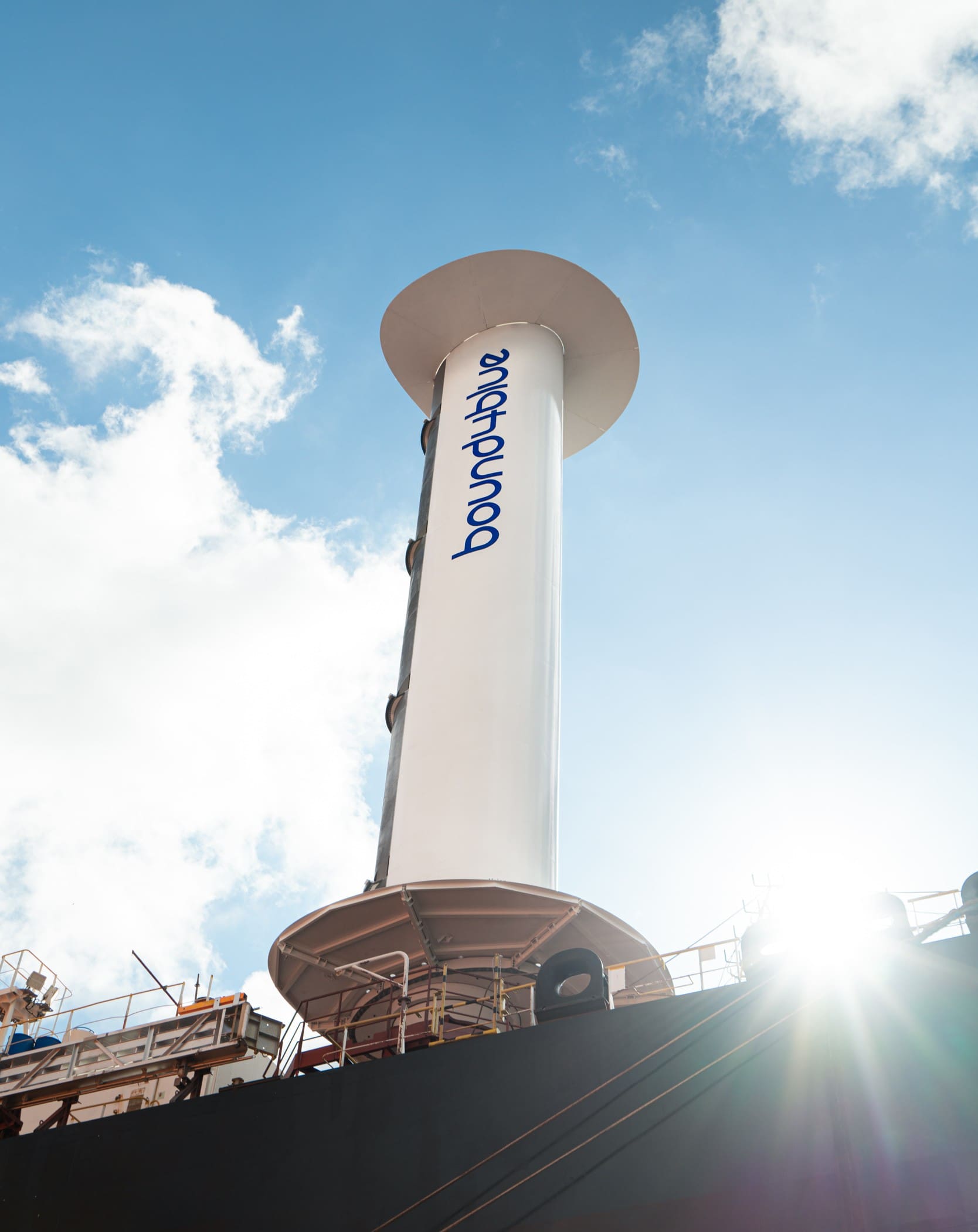
Take bound4blue’s eSAIL® system as an example. By drawing air across an aerodynamically optimised surface, the simple to install units generate up to seven times more lift than conventional rigid sails of the same size, while avoiding unnecessary mechanical complexity and minimising maintenance requirements.
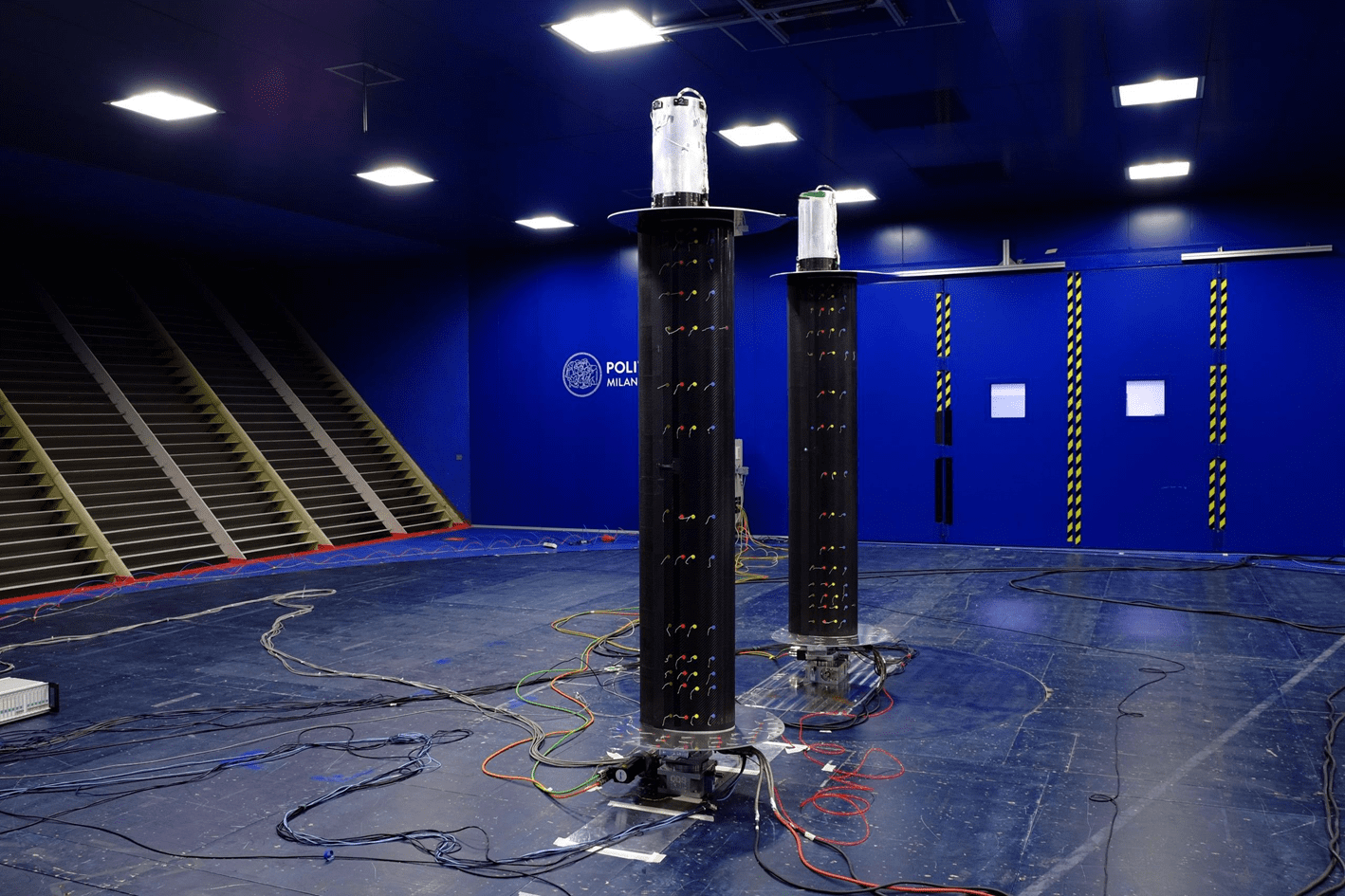
More than 50 eSAILs® have now been contracted worldwide, with installations completed onboard 13 vessels across multiple shipping segments. Independent validation has kept pace with this commercial momentum, with leading classification societies assessing the technology and its engineering, providing owners with the confidence needed to invest in this most practical of decarbonisation tools.
So, the case for adoption within almost any shipping segment is strong. But for LNG, it’s almost impossible to ignore.
The case for LNG
Unlike many other merchant vessels, LNG carriers have limited scope to reduce speed. Charter commitments, cargo management requirements and vessel design mean slow steaming can only go so far before commercial and operational compromises emerge.
Owners therefore need technologies capable of improving efficiency while maintaining existing trading patterns. Wind offers exactly that.
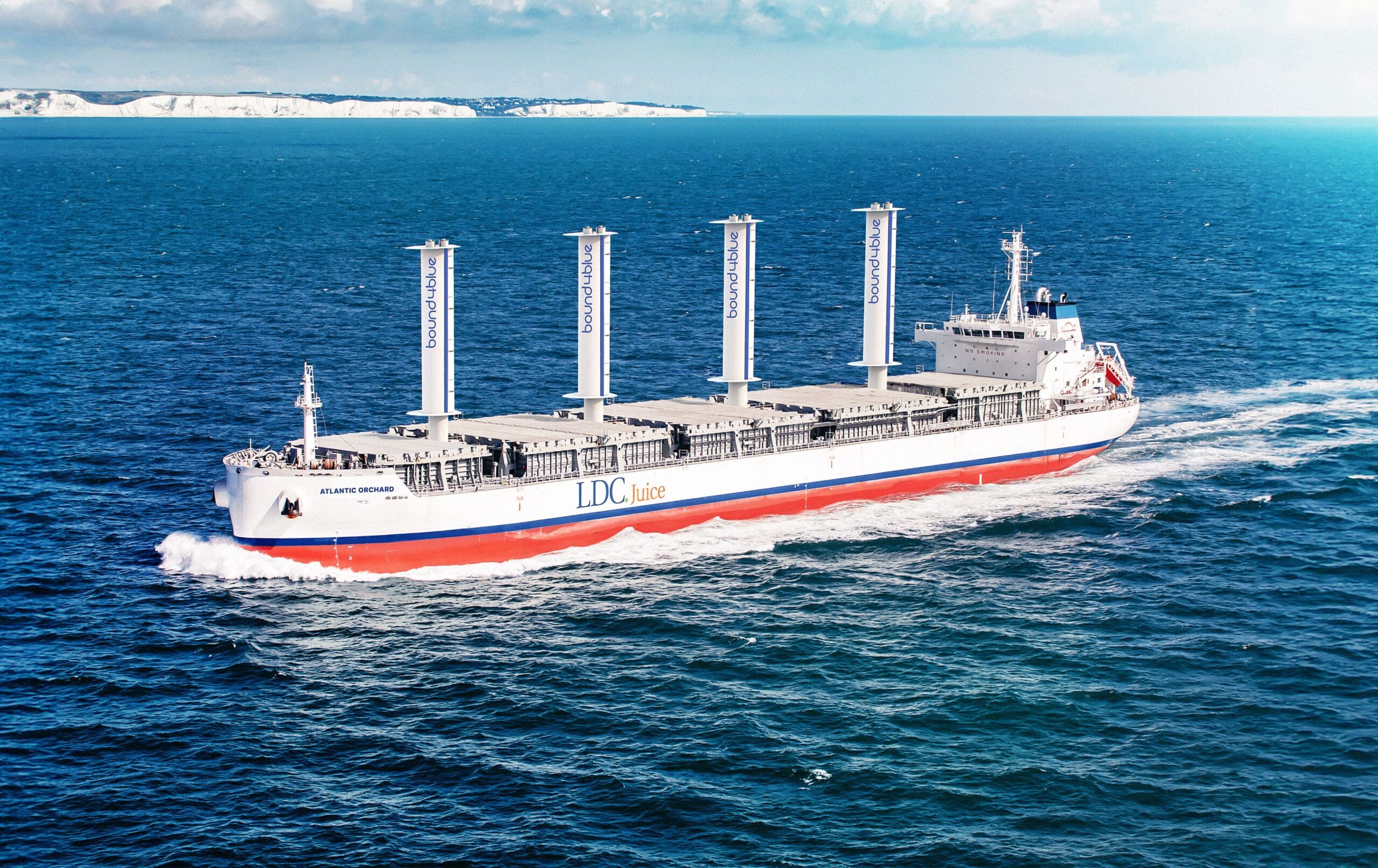
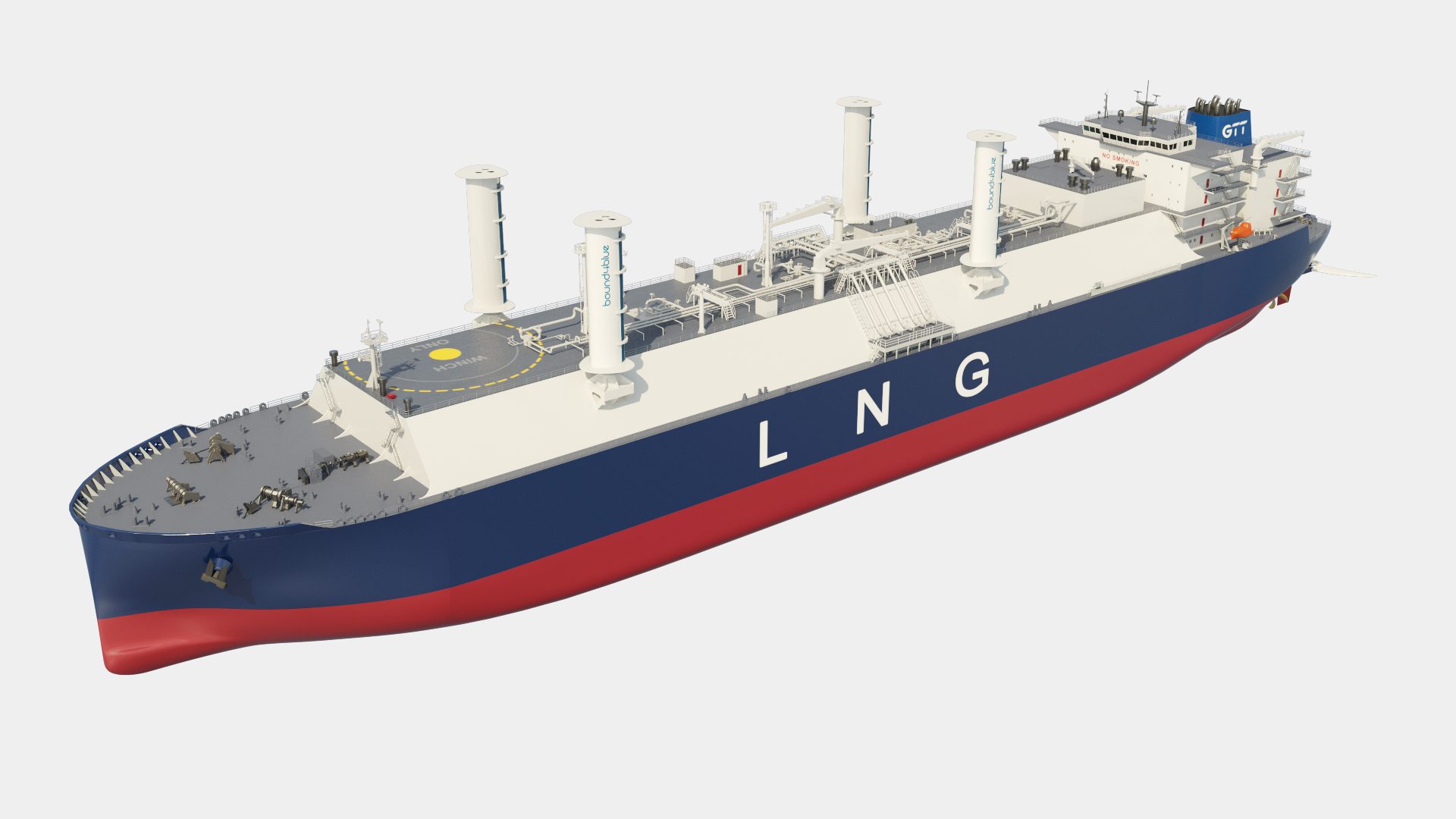
LNG carriers combine high service speeds with long ocean passages, particularly across Atlantic and Pacific trading routes where favourable wind conditions frequently exist. Their generous deck dimensions also allow multiple sail installations to be positioned with sufficient spacing, maximising aerodynamic performance while respecting existing operational requirements, such as cargo equipment and air draft limitations.
And the commercial argument is just as strong. Depending on propulsion type, operating profile and route, LNG carriers can typically achieve fuel savings of between two and six tonnes per day through wind assistance. Beyond the direct reduction in fuel consumption, owners also benefit from lower emissions, reduced carbon exposure and enhanced regulatory compliance. Under FuelEU Maritime, for example, vessels equipped with wind propulsion receive an additional wind reward factor, creating further opportunities to improve greenhouse gas intensity performance while reducing compliance costs.
Supporting progress
None of this means wind replaces other efficiency measures. Instead, it complements them. Performance coatings, propeller upgrades, weather routing, boil-off gas management and future fuels all have important roles to play. Wind simply adds another source of clean propulsion that works alongside them, reducing overall energy demand regardless of the fuel being consumed.
Which, of course, also makes it future-proof – whatever your future energy mix, wind is here to support it.
Building confidence in wind propulsion means looking beyond performance potential alone. Owners also need to understand what adoption looks like in practice. That is why, alongside our work on independent validation, we have partnered with Cryosafe Services, a specialist in LNG operations and consultancy. Together, we have been carrying out an in-depth operational integration study to explore how wind propulsion can fit into the realities of LNG vessel operations.
The process has helped us look more closely at the practical considerations behind adoption, the questions owners are asking, and where the real opportunities lie.
The need for expertise
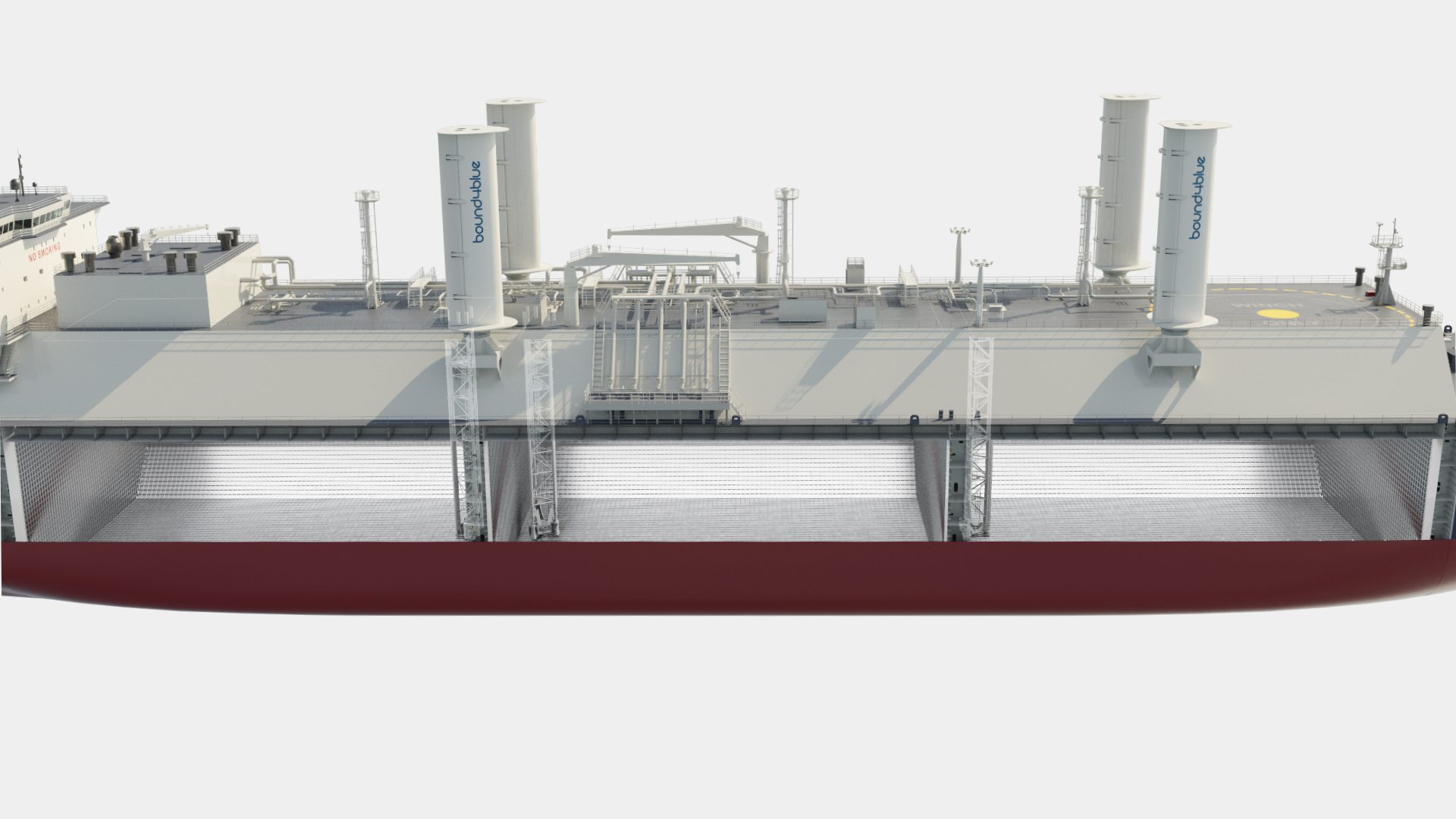
Installing a wind propulsion system is never simply about placing equipment on deck. LNG carriers represent some of the most technically demanding vessels in the global fleet, operating under rigorous safety requirements while interacting with highly specialised terminals, cargo systems and operational procedures.
Understanding how new technology fits within that environment is every bit as important as understanding the technology itself. Our partnership with Cryosafe brings together expertise across the board.
Encouragingly, and crucially, we discovered no fundamental barriers to integration. Naturally, every vessel is unique and requires its own engineering assessment. Air draft, operational profile, hazardous zones, terminal interfaces and equipment layouts all differ. But these are project-specific engineering considerations rather than reasons why wind propulsion cannot be applied successfully.
In other words, the remaining questions are no longer whether wind belongs onboard LNG carriers, but rather how each individual installation can be optimised to deliver the maximum gains and minimal challenges.
Again, this is where segment specific expertise is an absolute prerequisite.
Engineering confidence
Hazardous area integration is a natural starting point. LNG carriers operate with clearly defined hazardous zones surrounding cargo systems and venting arrangements, which must remain a key consideration when integrating new technologies.
Our study confirmed that a non-ATEX eSAIL® solution can be technically feasible; however, the resulting positioning constraints can significantly limit available installation locations and introduce additional challenges related to visibility, sail height, deck arrangement and overall vessel integration. For this study, an ATEX-compliant eSAIL® solution was therefore identified as a robust and effective approach. While it entails a limited additional equipment cost, it provides significantly greater flexibility in sail positioning, greatly simplifies hazardous-area integration and can reduce associated engineering and integration costs.
This kind of expert assessment, combined with early collaboration between owners, engineering partners and classification societies, enables requirements to be satisfied through established design processes and risk appraisals.
This same principle applies to other factors. Rather than viewing the air draft as an automatic barrier, we see it as another vessel-specific design parameter. Each vessel’s intended routes, terminals and bridge clearances simply need to be understood from the outset so that the appropriate configuration can be selected. In some cases, additional adaptation solutions may also be appropriate, such as tilting systems.
By considering these factors from the very outset, owners can retain flexibility throughout the vessel’s operational life cycle.
Step by step
Cargo handling follows a similar pattern.
Our assessment indicates no direct impact on normal loading or unloading operations, although engineering teams should naturally consider interfaces with cranes, helicopter winching areas, gangways and mooring arrangements as part of the wider integration process.
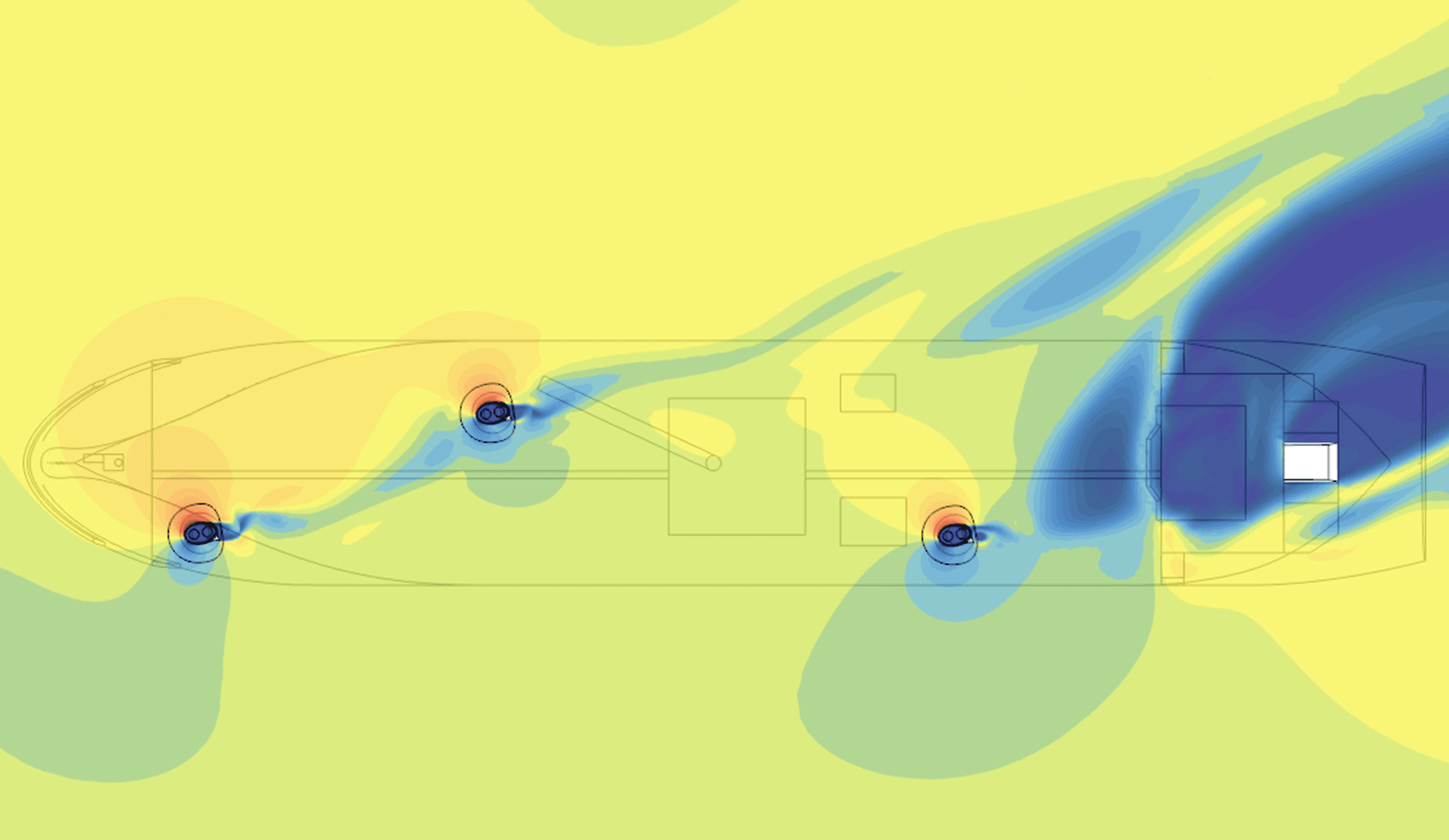
Visibility, radar coverage and manoeuvring require equally careful consideration. As with many new items of deck equipment, certain blind sectors may be introduced in individual cases. However, whenever appropriate, additional radar coverage, CCTV systems and operational procedures provide established mitigation measures.
Terminal compatibility deserves the same attention. Adding aerodynamic surfaces inevitably increases windage, so mooring loads and vessel behaviour alongside need to be considered during engineering (although no alterations may be necessary). While these effects require evaluation during project development, no additional significant compatibility issues were identified for the vessel configurations and terminals assessed (where sufficient information was available).
Taken together, the findings lead to a conclusion that is crystal clear. The issue isn’t the suitability of modern wind propulsion for the LNG segment, it’s ensuring that every individual installation is designed intelligently, assessed thoroughly and integrated collaboratively, with trusted experts within this demanding domain.
Empowering possibilities
Speaking personally, the main message I see emerging is the fact that we have a proven, suitable technology that is available NOW, at scale – one that can accelerate this highly specialist shipping segment towards the more sustainable horizons we’re all steering for.
Yes, there are individual considerations for individual vessels, but when is that not the case when integrating new technology solutions onboard existing or newbuild carriers? The important thing is that there’s no clear barriers, but very clear benefits.
As commercial drivers strengthen, regulations become ever more stringent, and question marks remain over a single ‘silver bullet’ fuel source to empower greener shipping, wind power delivers a simple solution to a complex array of challenges.
Our work with Cryosafe represents another step forward in underlining that argument, while giving owners the confidence needed to turn potential gains into real results.
We believe wind is now firmly established as a valuable part of the propulsion mix, complementing the technologies, fuels and operational measures already being considered across the segment.
To discover more, request a meeting with our experts to receive a case study.